
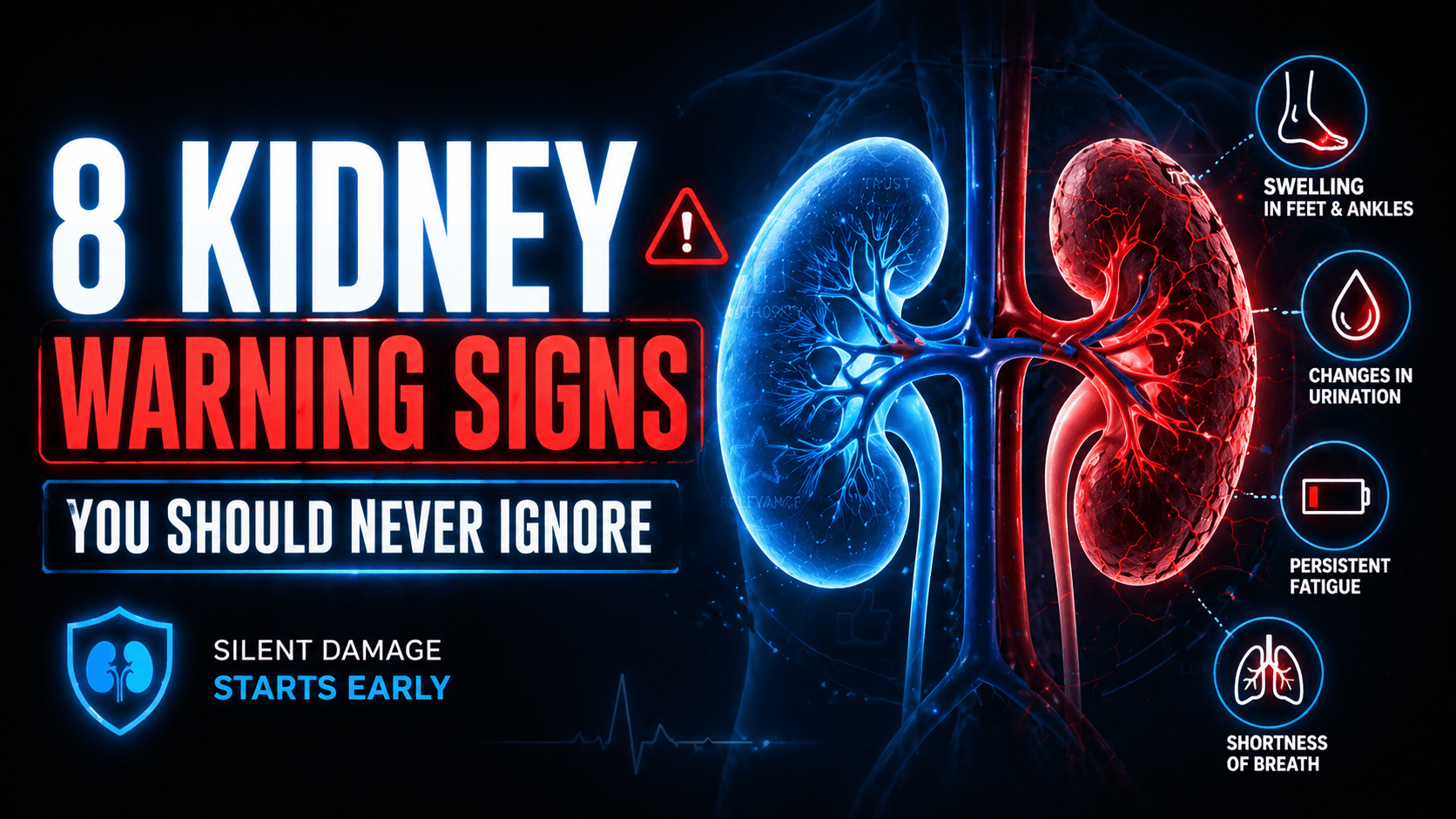
Kidney health warning signs you should never ignore
Introduction
Most kidney problems do not announce themselves. There is no sharp pain, no obvious signal that something has gone wrong. By the time symptoms show up clearly, the damage is often already significant.
That is the difficult part about kidney disease. It moves quietly. The Indian Society of Nephrology estimates that over 17% of the Indian population has some form of chronic kidney disease, and many of them do not know it. In cities like Bhopal, where diabetes and hypertension rates keep climbing, that number is only going to grow.
This post covers the warning signs that something may be off with your kidneys. Not to scare you. But because catching these things early changes outcomes dramatically.
What your kidneys actually do
Your kidneys filter about 180 litres of blood every day. They remove waste, balance electrolytes, regulate blood pressure, and produce hormones that help make red blood cells. When they stop working properly, the effects ripple through your entire body.
Most people have two kidneys, and you can function normally with just one. Which means by the time you feel something wrong, you have probably lost more than half your kidney function already.
8 warning signs you should not ignore
1. Swelling in your feet, ankles, or face
Kidneys that are struggling cannot remove excess fluid efficiently. That fluid has to go somewhere. It usually pools in the lower extremities first, then the face, particularly around the eyes in the morning. If your shoes feel tighter than usual and you have not changed anything about your diet or activity, pay attention.
2. Changes in urination
This is one of the earliest signs, and also one of the most ignored. You might notice you are urinating more frequently, especially at night. Or less frequently. The urine itself might look foamy, dark, or have a reddish tint. Foam in urine usually means protein is leaking through the kidneys, which it should not be doing.
3. Persistent fatigue that rest does not fix
Damaged kidneys produce less erythropoietin, a hormone your body needs to make red blood cells. Fewer red blood cells means less oxygen reaching your muscles and brain. The result is a tiredness that sleep does not help. People often attribute this to stress or age. Sometimes it is neither.
4. Nausea and loss of appetite
When waste products build up in the blood because the kidneys cannot clear them properly, it causes a condition called uremia. One of the first things you notice is a loss of appetite, a metallic taste in your mouth, or nausea after eating. Some people describe it as feeling full even after eating very little.
5. Unexplained itching
Severe, persistent itching with no obvious skin condition can be a kidney problem. When waste and excess minerals accumulate in the blood, it irritates the skin. This is different from a rash or allergy. It tends to be deep, widespread, and worse at night.
6. Muscle cramps
Your kidneys regulate calcium, phosphorus, and potassium levels. When that regulation fails, the imbalance causes muscle cramps, particularly in the legs. If you are getting cramps regularly without any obvious cause like exercise or dehydration, it is worth investigating.
7. Shortness of breath
This happens two ways. Extra fluid the kidneys cannot remove backs up into the lungs. And the anemia from reduced erythropoietin means less oxygen in circulation. Either way, you feel winded doing things that never used to be a problem.
8. High blood pressure that is hard to control
Blood pressure and kidney health are tightly linked. Kidneys help regulate blood pressure. When they are damaged, blood pressure rises. And high blood pressure further damages kidneys. It becomes a cycle. If your blood pressure is consistently high despite medication, your doctor should check kidney function.
Who is at higher risk
Some people should be more watchful than others:
- Diabetes is the leading cause of kidney disease in India.
- People with hypertension. Uncontrolled high blood pressure damages kidney blood vessels over time.
- Anyone with a family history of kidney disease.
- People over 60. Kidney function declines naturally with age.
- Those taking painkillers regularly. Long-term use of NSAIDs like ibuprofen can damage kidneys.
- Smoking reduces blood flow to the kidneys.
When to see a doctor
If you notice two or more of the signs listed above, especially if you fall into a higher risk group, get a basic kidney function test done. It is a simple blood test (serum creatinine and eGFR) and a urine test. These are cheap, widely available, and can catch problems years before they become serious.
At Trinity Multi Speciality Hospital in Bhopal, our nephrology department handles everything from early screening to advanced dialysis. If something shows up on your tests, early intervention can slow or even stop further damage. If nothing shows up, you get peace of mind.
Frequently asked questions
Can kidney damage be reversed?
It depends on the stage. Early stage kidney disease can often be managed and sometimes reversed with medication, diet changes, and blood pressure control. Once significant scarring has occurred, the focus shifts to slowing progression.
What foods are bad for kidneys?
Excessive salt, processed foods, red meat in large quantities, and sugary drinks all put extra strain on kidneys. If you already have kidney issues, your doctor may also restrict potassium and phosphorus intake.
How often should I get my kidneys checked?
If you are diabetic, have hypertension, or are over 60, get checked at least once a year. If you have no risk factors, once every two to three years after age 40 is a reasonable baseline.
Is dialysis the only option for kidney failure?
Dialysis is one option. Kidney transplant is another. The right choice depends on the stage of disease, your overall health, and other factors your nephrologist will discuss with you. At Trinity Hospital, we offer both dialysis services and referral pathways for transplant evaluation.
Conclusion
Kidneys are forgiving organs. They keep working even when they are damaged, compensating until they cannot anymore. That forgiveness is also what makes kidney disease dangerous, because it hides until the problem is advanced.
A simple blood and urine test once a year can catch things early. If you have been noticing any of the signs above, do not wait for them to get worse. Book an appointment with our nephrology team or call us at Trinity Hospital Bhopal on +91-9109182424 to book a screening.